New Year, New Retail Media Strategy
Why 2026 Is the Year to Get Retail Media Right
Retail media has officially moved into its next phase. What started as sponsored search and onsite placements has evolved into one of the most important revenue and growth levers for retailers in 2026. (eMarketer, Skai)
Retail media is no longer experimental. It is expected. Brands are allocating meaningful budgets to retail media networks and demanding the same level of sophistication they see in other channels. Retailers that treat retail media as a core business are pulling ahead. Those that don't are already falling behind. (eMarketer, Nielsen)
As budgets continue to shift toward channels that drive measurable outcomes, retailers must move beyond digital-only thinking and build retail media strategies that reflect how shoppers actually behave. (Nielsen)
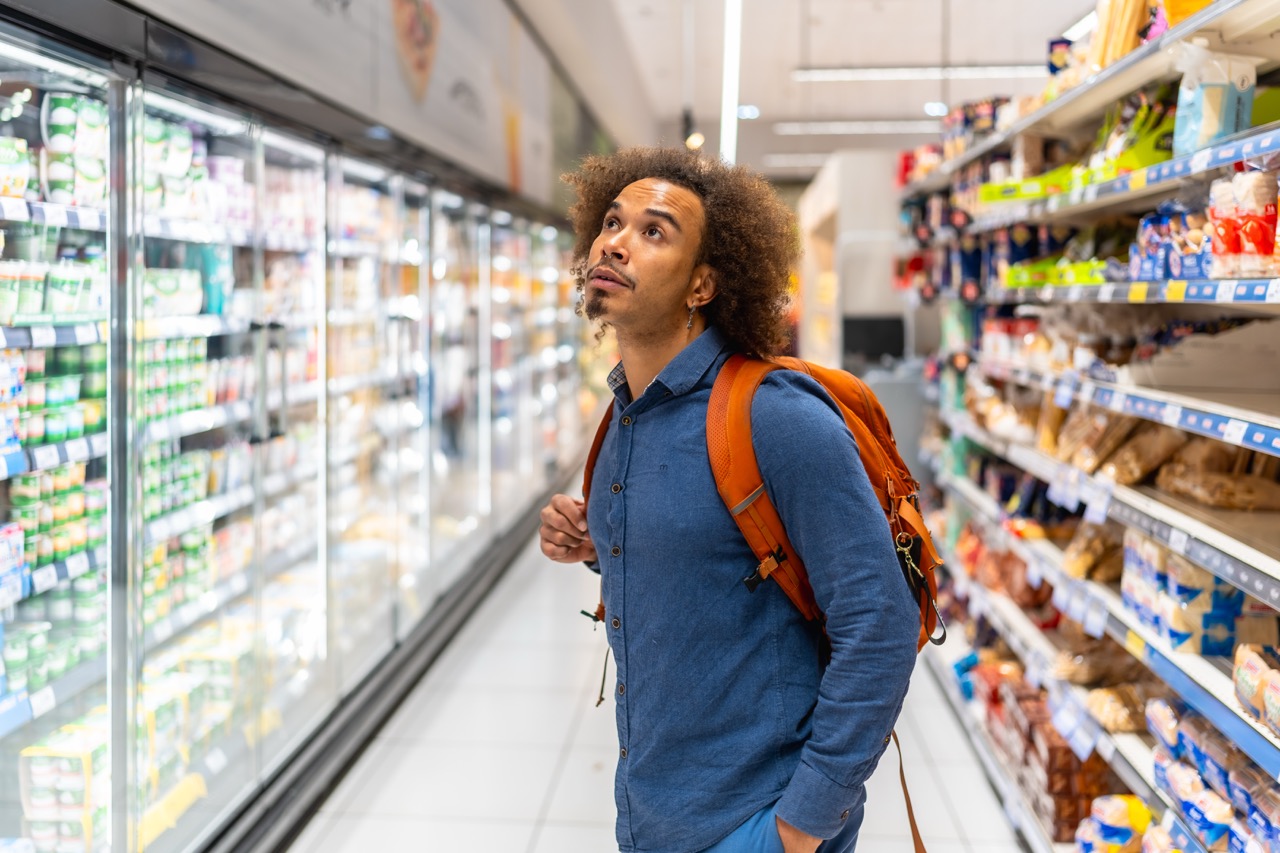
And in 2026, shoppers still buy in-store.
Retail Media Is a Core Growth Engine in 2026
Retail media is now one of the largest and fastest-growing segments in advertising. (eMarketer)
Global retail media ad spend sits at close to $180 billion in 2026, representing a significant share of total global advertising investment. (Skai)
Retail media accounts for around 15% of global ad spend, continuing to grow faster than most traditional channels. (eMarketer)
In the US, retail media investment exceeds $60 billion, with continued growth expected as more retailers mature their media offerings. (eMarketer)
Brands are prioritising retail media because it delivers what other channels struggle to offer: proximity to purchase, first-party data, and measurable impact on sales. (Nielsen)
In-Store Is Where Decisions Are Made
Despite the growth of ecommerce and digital retail media, physical stores remain where the majority of transactions occur. (Shopper Marketing Research)
More importantly, in-store is where decisions happen.
Research shows that up to 70% of brand decisions are made in-store, often without prior planning. (Shopper Marketing Research)
In-store touchpoints influence impulse purchases, brand switching, and basket size at the exact moment shoppers are ready to buy. (Shopper Marketing Research)
This makes in-store retail media uniquely powerful in 2026, particularly as brands look to influence behaviour closer to the point of sale.
Within in-store media, audio plays a critical role.
Why In-Store Audio Belongs in Your 2026 Retail Media Strategy
Audio reaches shoppers in ways other in-store channels cannot. It doesn’t compete for visual attention or rely on shoppers stopping to look. It works while shoppers move through the store, engage with shelves, and make decisions. (Retail Tech Innovation Hub, Financial Times)
That impact is measurable.
Shoppers exposed to in-store audio messaging show higher product recall and increased likelihood to purchase. (Retail Tech Innovation Hub, Financial Times)
QSIC’s campaigns have driven up to 58% uplift on a single campaign.
Retailers are increasingly positioning audio as a high-reach, high-frequency retail media channel that complements digital and visual formats. (Financial Times)
In 2026, audio is no longer background. It is a retail media product.
New Year, New Retail Media Strategy
As retail media matures, advertisers expect more structure, more consistency, and clearer outcomes. (Nielsen)
At the same time, growth in traditional onsite retail media is slowing as those formats mature. While offsite retail media has absorbed some incremental budget, brands are increasingly scrutinising the value of data-driven premiums when similar audiences can be reached elsewhere. This shift is putting pressure on retail media networks to identify new sources of scalable, measurable growth.
That pressure is accelerating a broader shift back to the physical store. As leading retailers publicly prioritise in-store media as a growth lever, in-store strategy has moved firmly into boardroom and executive discussions.
The challenge is perception.
For many teams, in-store digital media still defaults to screens. Visual formats are often seen as the primary path to in-store monetisation, despite the operational complexity and investment they can require. Audio, by contrast, remains underrepresented in these conversations, even though it already operates at scale across the store.
This is the opportunity.
Retailers looking to move quickly need solutions that are fast to deploy, easy to scale, and trusted by advertisers. In-store audio meets those requirements in a way few other formats can in 2026.
A modern retail media strategy in 2026 requires:
- Clearly defined media inventory
- Commercial frameworks that advertisers understand and trust
- Rate cards grounded in real shopper exposure
- Sales teams equipped to sell outcomes, not placements
- Measurement that connects exposure to incremental sales
Without this foundation, retail media struggles to deliver long-term value. (Nielsen)
This Is Where QSIC Comes In
QSIC helps retailers turn in-store audio into a scalable, sellable retail media product with a clear go-to-market strategy, designed for the realities of a maturing retail media market.
Strategy and Inventory Design
We evaluate your retail footprint to establish clear in-store audio media inventory that reflects real shopper exposure points. This positions audio as a core retail media asset and gives advertisers confidence in how their messages reach shoppers throughout the store.
Rate Cards and Commercial Frameworks
QSIC helps retailers build rate cards that:
- Reflect store traffic, dwell time, and exposure frequency
- Differentiate premium audio placements and dayparts
- Support packaged media offers within broader retail media programs
This creates consistency for buyers and maximises yield for retailers.
Go-To-Market Strategy and Sales Enablement
Retail media success depends on how well inventory is sold. QSIC supports retailers with:
- Clear value propositions for in-store audio
- Sales narratives focused on influence and measurable outcomes
- Packaged offers that make audio easy to buy and easy to scale
Measurement and Attribution
In 2026, proof matters. QSIC supports measurement frameworks that link audio exposure to real retail outcomes, including incremental sales and category performance. This builds credibility and drives repeat advertiser investment.
Ongoing Optimisation
Retail media is never static. QSIC works with retailers to continuously refine inventory, pricing, and strategy based on performance, demand, and market dynamics.
2026 Is the Year to Lead With Retail Media
Retail media is now a foundational part of modern retail strategy, and in-store audio is an increasingly important lever as retailers look beyond mature onsite formats for growth. As brands demand accountability and retailers seek sustainable revenue, audio delivers influence at the moment that matters most.
A strong retail media strategy in 2026 is not about adding more channels. It’s about building the right ones properly.
New year. New retail media strategy. Built to sell.
Sources
- eMarketer – Global Retail Media Ad Spend and Market Share Forecasts, 2026
- Skai – Retail Media Predictions and Global Spend Outlook, 2026
- Nielsen – The Future of Retail Media and Advertiser Expectations, 2025
- Shopper Marketing Research – In-Store Decision Making and Shopper Behaviour, ongoing synthesis cited 2024
- Retail Tech Innovation Hub – How In-Store Audio and Music Influence Shopper Behaviour, 2024
- Financial Times – How Retailers Are Using In-Store Audio to Influence Purchasing Decisions, 2023